HORIZONS
Wider worlds.
Further possibilities.
From futures opened by science fiction to real progress in space industry and brain–computer interfaces, asking how life, intelligence and civilization become possible.
Follow costs and updates, while noticing what lies beyond this lens.
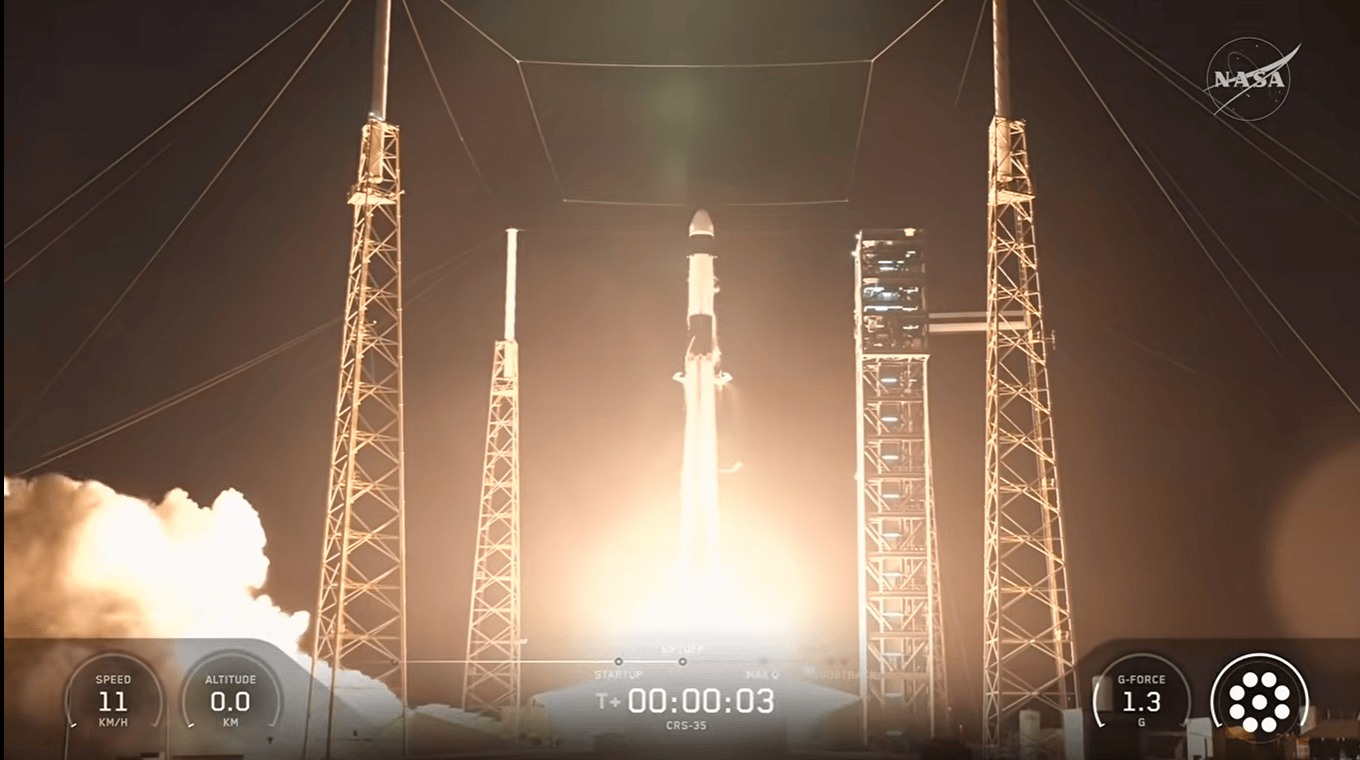
006 Weekly | Vulcan Failure, CRS-35, Varda W-9, CASC Bid, Voyager 1, Beinao-1, SfN, SCS-BCI
This week looks at cadence ramp-up and routine delivery: how a launch failure exposes fuel-feed interfaces, how reentry capsules move from single flights to repeat turnarounds, how commercial launch turns into open-bid service contracts, and how brain-computer interfaces move past one-off demos toward year-long durability and controlled clinical endpoints.
/ Horizons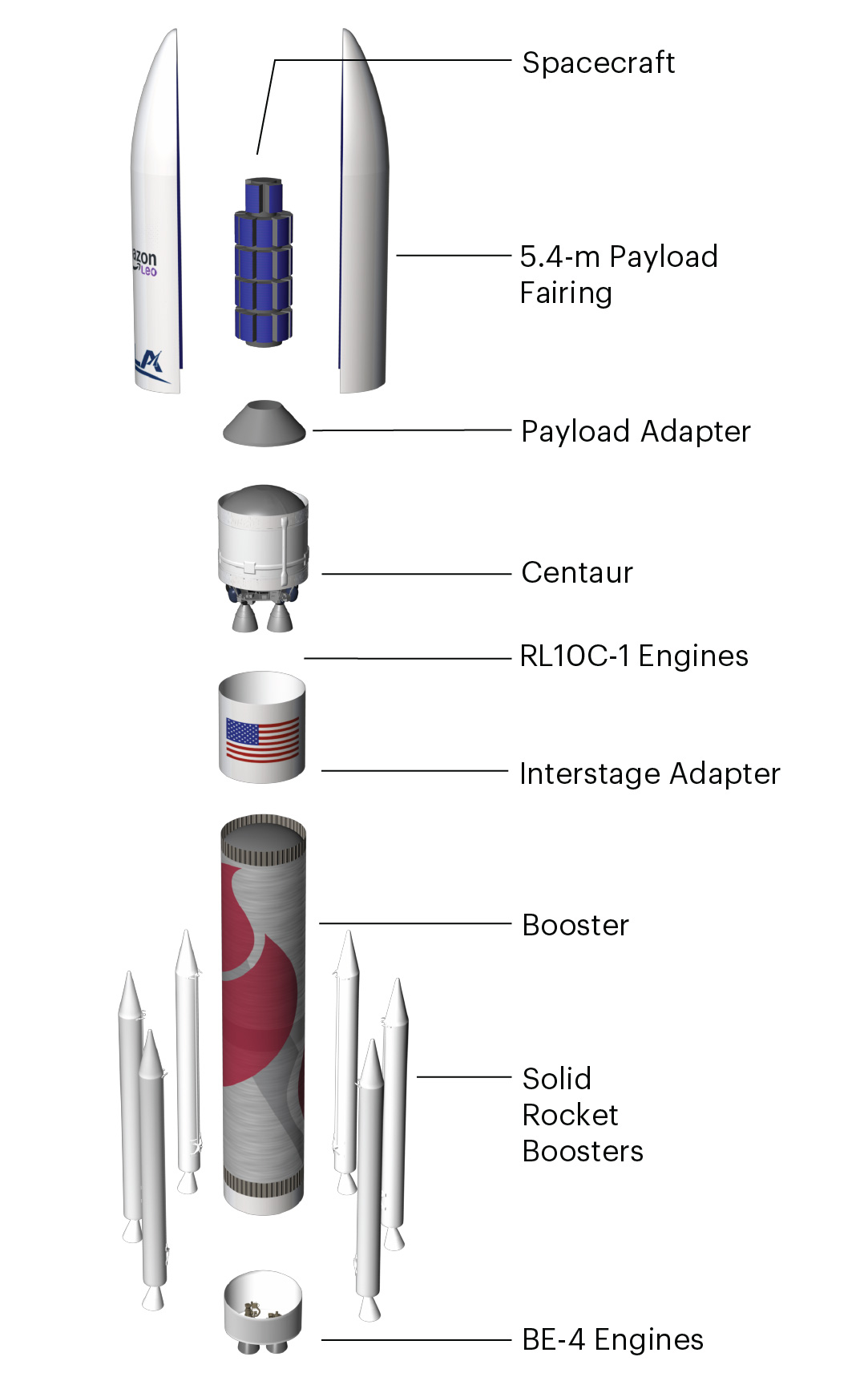 02
005 | Space Industry × Brain–Computer Interfaces Weekly | The next acceptance threshold
This week, look beyond the milestone: how a recovered spacecraft flies again, how orbital samples reach a laboratory on Earth, and how brain signals become a tool someone can keep using.
/ Horizons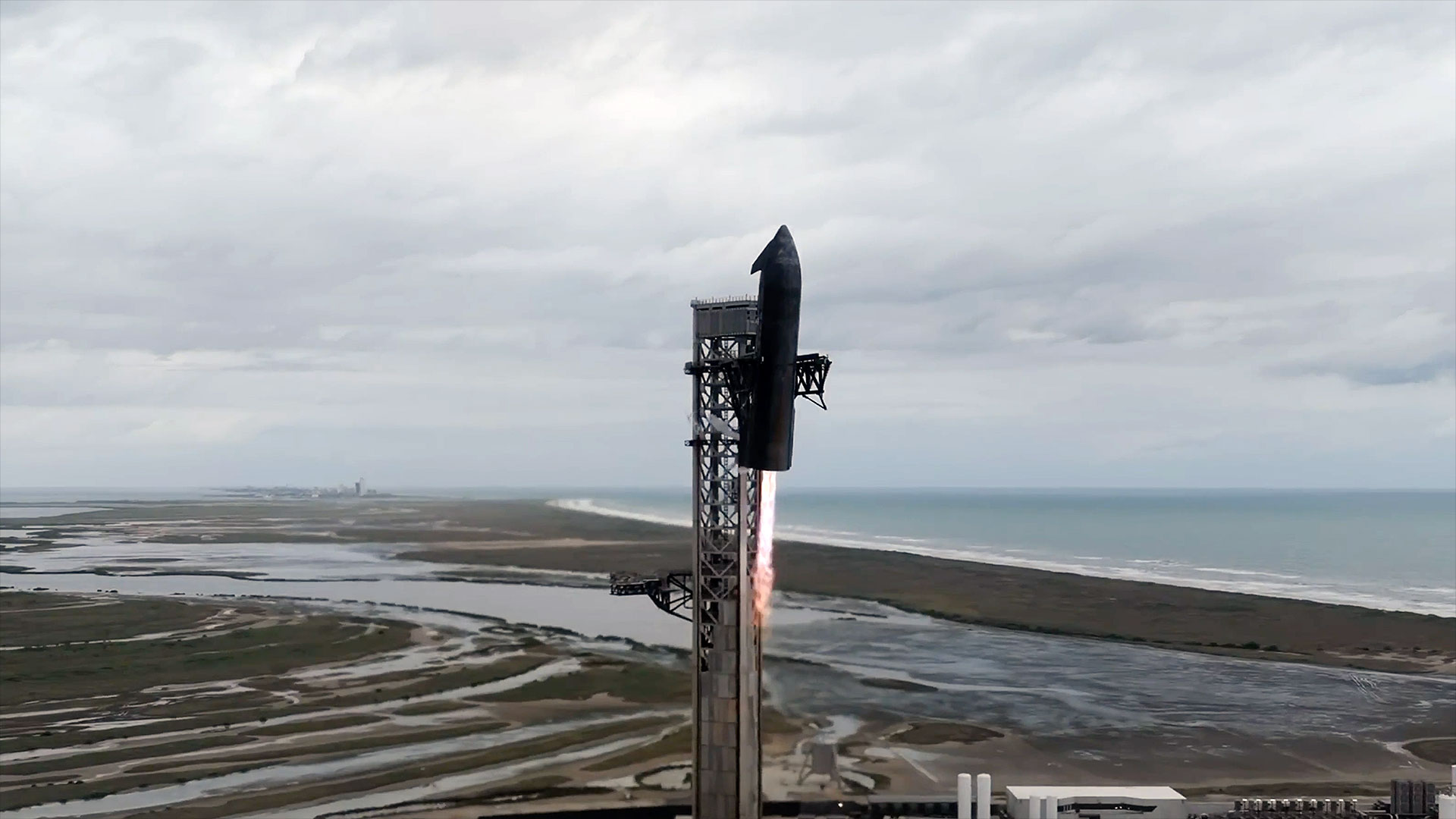 03
Seveneves: Taking the Ability to Make a World into Space
How compelling a reason does humanity need to move into space? Seveneves offers an answer that is almost impossible to refuse: when the world beneath our feet is about to be lost, somewhere beyond it becomes a place we must reach. As I read, though, another question increasingly held my attention: when we leave Earth, how much of our ability to sustain life, repair tools, and make things anew can we take with us?
/ Horizons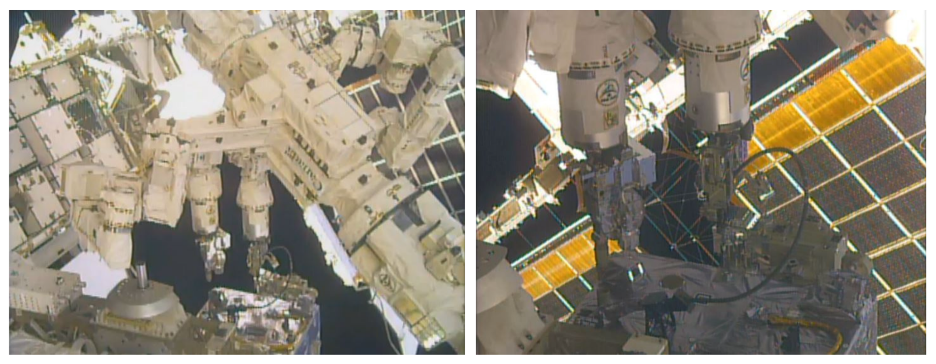 04
Starship Flight 15: After the Catch, the Next Departure
The image of Starship returning to its tower gives a very concrete shape to the idea of a round trip to space. A spacecraft that has been in orbit passes through the atmosphere, approaches the place it left, and is finally caught by mechanical arms. We have watched many rockets rise. This time, the image holds our attention on what comes after the return.
/ Horizons 05
The Gods Themselves: when the light of one world comes from another
The deepest change a technology makes may come after we can no longer do without it. At first it solves a problem; later it reorganizes life, until even what we are willing to believe becomes bound to it.
/ Horizons 06
004 | Space Industry × Cyborg Systems Weekly | The next threshold: sustained operation
After a single success, can the system keep working reliably? Both technology paths in this issue face that question.
/ Horizons 07
Blindsight: a universe can be intelligent with no one awake
When looking deep into the universe, we easily imagine the distance as humanity enlarged: longer lives, stronger technologies, more expansive civilizations. The ships and planets change, yet inside remain beings like us, who feel, understand and ask about meaning.
/ Horizons003|Space Weekly|After Seeing the Target Clearly, How Do We Preserve System Boundaries
From asteroid imaging to dust, thermal control, and confidence in positioning
/ Horizons 09
002|Space Weekly|Deep-Space Systems Move into Integrated Testing as Science Missions Enter a New Phase
From Individual Demonstrations to System Coordination
/ Horizons 10
001|Space Weekly|In-Orbit AI Begins Learning as Extreme-Environment Validation Advances
In-Orbit Learning and Engineering Validation in Extreme Environments
/ Horizons